
LEAD HUMANLY · 4 min read
Reading the Silence in Japanese Meetings
Japanese business meetings have a reputation for ending in agreement. The real signals live in the silence, and reading them took me years to learn.
Leadership, learning, and cross-cultural communication.
Japanese business meetings have a reputation for ending in agreement. The real signals live in the silence, and reading them took me years to learn.

Most organizations measure training investment and satisfaction scores, then quietly skip the only number that decides whether the program worked: behavior change ninety days later.

AI adoption isn't stalling because employees fear technology. It's stalling because manager engagement has collapsed and your team is reading the room.

Every tech executive with a keynote seems to agree on one thing lately: middle management is dead weight. Flatten the org. Let AI handle the coordinat

Employees don't resist AI because they fear the technology. They resist it because they don't believe the leaders deploying it actually care whether they're okay. Research shows the problem isn't capability but perceived benevolence.
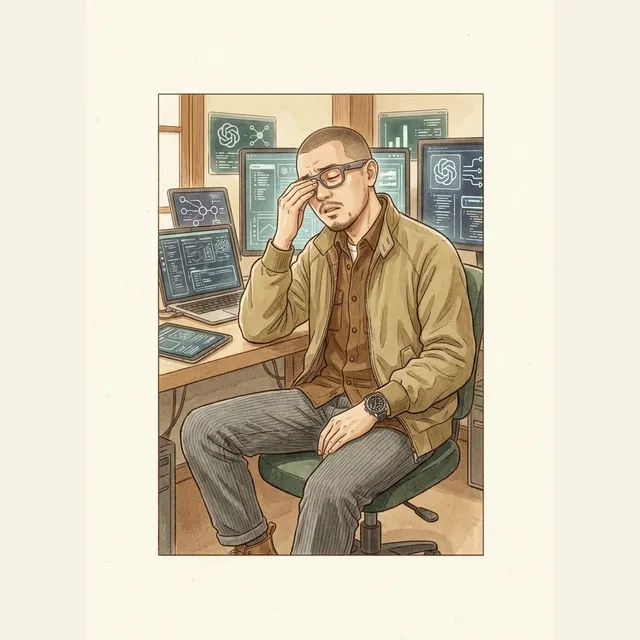
Companies celebrate record AI adoption rates while their best employees quietly burn out from managing five tools at once. The hidden labor of verifying, correcting, and contextualizing AI output is real work that nobody put into the budget.

57% of employees are hiding their AI usage from their employers. The AI trust gap isn't a technology problem. It's a leadership and communication failure.
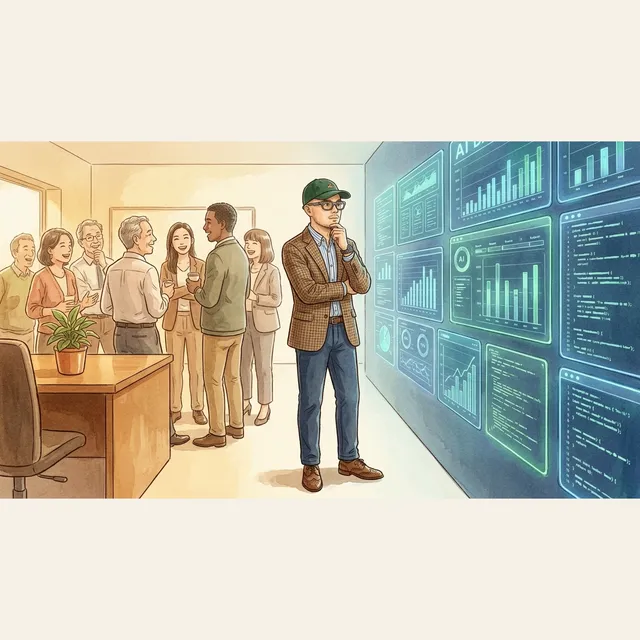
Everyone is talking about replacing middle managers with AI. But the things AI replaces were never the point of management and organizations are about to learn that the hard way.

You don't need to become an AI engineer. But you do need to understand what AI can and can't do well enough to make smart decisions about where it fits in your work and your team's workflow.

Most L&D leaders still treat AI as a faster way to write course descriptions. The real shift is much bigger, and the next 18 months decide who benefits.

In Japan the meeting isn't where decisions get made. It's where they get confirmed. The real work happened days ago and you missed it.

Some of the most powerful leadership concepts don't translate into English. Words like nemawashi, kuuki wo yomu, and amae carry centuries of cultural wisdom that one-word translations can't capture. Here's why that matters for global teams.

Listening is the most underrated leadership behavior, and the research ties it to better performance, stronger relationships, and greater well-being.
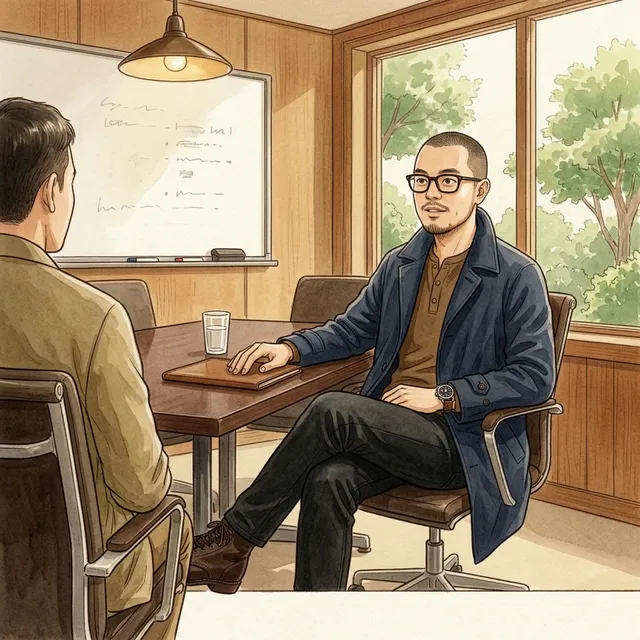
Most managers think they're protecting their team by softening feedback. The research says the opposite. Your people are starving for the conversation you keep dodging.

Your quietest team members might be your most insightful. Research shows that silence in meetings doesn't mean disengagement but often means the environment isn't designed for how they think. Here's how to unlock their contribution.

Every leadership book tells you to ask for feedback. The research says that's the wrong approach. What actually builds psychological safety is sharing the feedback you've already received and it changes how your team communicates about hard topics.